

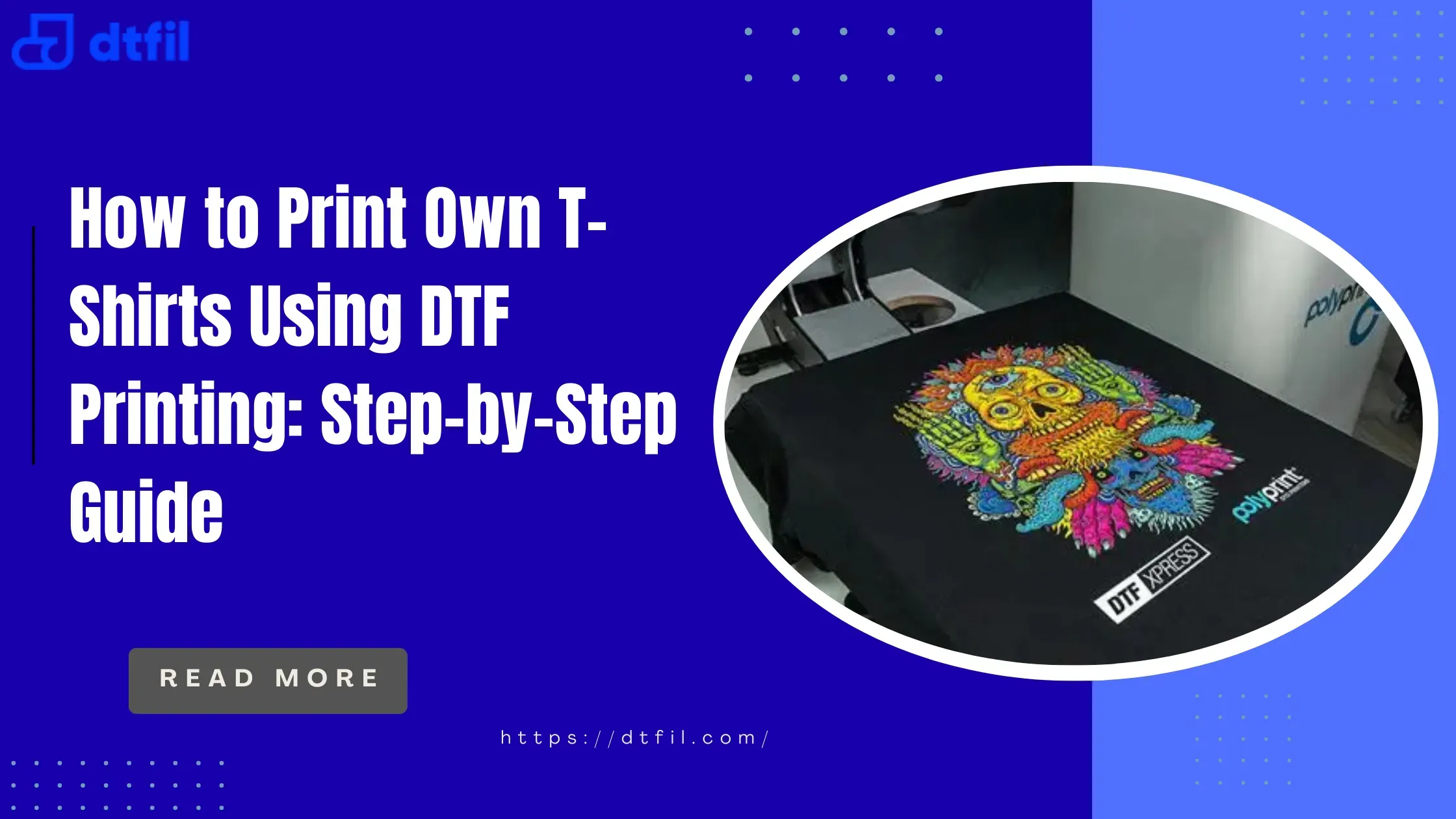
DTF printing for custom apparel has emerged as a versatile solution for designers and brands seeking on-demand production. This approach combines the color depth of digital printing with the flexibility of heat-transfer methods, making DTF printing for apparel a practical choice for diverse fabrics. For many shops, the question ‘DTF vs DTG’ often hinges on substrate versatility and the efficiency of the DTF printing workflow. If you’re new to this method, understanding how to apply DTF transfers, including prepress, curing, and heat settings, is essential. Adhering to best practices for DTF ink and proper curing ensures durable, vibrant results that stand up to washing.
Direct-to-film decoration is a common alternative term for this technology, describing a film-based transfer process that enables vivid imagery on a wide range of fabrics. Design teams and manufacturers often view it as a scalable solution for on-demand product drops, where artwork is prepared digitally and transferred with heat and pressure. This approach contrasts with traditional print methods by reducing setup and enabling easy color variation across items. In line with modern digital textile workflows, it emphasizes consistent color control, reliable adhesion, and practical maintenance.
Frequently Asked Questions
What is DTF printing for custom apparel and what does a typical DTF printing workflow look like?
DTF printing for custom apparel is a transfer process that prints artwork onto a special film using CMYK plus white, then uses adhesive powder and heat to apply the design to fabric. A typical DTF printing workflow includes design and color management, film printing, powder curing, garment prepress, transfer with heat and pressure, and final finishing and QC.
DTF vs DTG: How do they compare for custom apparel production?
DTF vs DTG: DTF offers broader fabric compatibility (including blends and poly), strong white underbases on dark fabrics, and lower setup costs for small runs—ideal for custom apparel. DTG prints directly on 100% cotton garments with high detail but can require pretreatment and may be less versatile across fabric types.
How to apply DTF transfers to fabric for apparel?
To apply DTF transfers to fabric: Print the design on CMYK+white film, cure the adhesive powder, prepress the garment, align the transfer, and press at the recommended temperature, time, and pressure. Peel per film guidelines (hot or cold) and perform any required post-press checks.
What are best practices for DTF ink to ensure vibrant, durable prints?
Best practices for DTF ink include regular color calibration with ICC profiles, careful use of white ink for underbases on dark fabrics, maintaining clean film handling, following precise curing times, and performing test proofs before large runs.
What is the DTF printing workflow from design to delivery?
The DTF printing workflow starts with design preparation and color management, moves to film printing with CMYK+white, powder application and curing, garment prepress, heat-transfer at the correct settings, post-press if required, and final QC before shipping.
Which fabrics work best with DTF printing for apparel and how should they be cared for?
DTF printing for apparel works well on cotton, polyester blends, and performance fabrics. Prewash garments to remove sizing; advise customers to wash inside-out in cool water and avoid high heat dryers to maximize transfer durability.
| Topic | Summary |
|---|---|
| What is DTF Printing? | DTF (direct-to-film) prints a design on a transfer film using CMYK inks plus white, then coats with an adhesive powder, cures, and transfers the image to fabric with heat and pressure. It enables vibrant color reproduction on many fabrics and offers strong white underbases and flexible application compared to DTG. |
| Why choose DTF for custom apparel? | Key advantages include color vibrancy and detail, broad fabric compatibility (cotton, blends, polyesters), durability after proper curing, cost and scalability for small batches or on-demand work, and easy color/size/font adjustments without retooling screens. |
| End-to-End DTF Printing Workflow (overview) | From design to delivery: 1) design prep, 2) print on transfer film, 3) apply and cure adhesive powder, 4) prepare garment and spacer sheet, 5) transfer with heat/pressure, 6) peel and finalize, 7) care instructions and quality control. |
| DTF vs DTG: Key considerations | DTF tends to handle a wider range of fabrics (including blends and polyesters) with strong durability and cost advantages for small runs. DTG can be faster for single items but may have fabric limitations and different cost dynamics. |
| Materials, equipment, and quality control | Use a dedicated DTF printer with CMYK inks and white, reliable transfer film and adhesive powder, calibrated heat/press equipment, consistent garments, and a standard QC checklist for color, alignment, and edge handling. |
| Best practices for DTF ink and transfers | Calibrate color with ICC profiles, manage white ink coverage, protect films from dust/moisture, monitor curing times, and run small proofs before large runs. |
| Troubleshooting common issues | If colors fade or transfers are incomplete: recheck heat/time/pressure and powder; verify underbase; ensure proper curing. For white underbase showing on dark fabrics, increase white coverage; for cracking or peeling, review curing and film-fabric compatibility. |
| Real-world applications and case examples | Brands use DTF for on-demand dropship, event merchandise, and limited-run collaborations. The method supports batching, rapid artwork iteration, and consistent results across varied garment types. |
| FAQs and practical tips | Common questions cover longevity, performance fabrics, and the role of separator sheets. Always test transfers on similar fabrics and follow manufacturer guidelines. |