

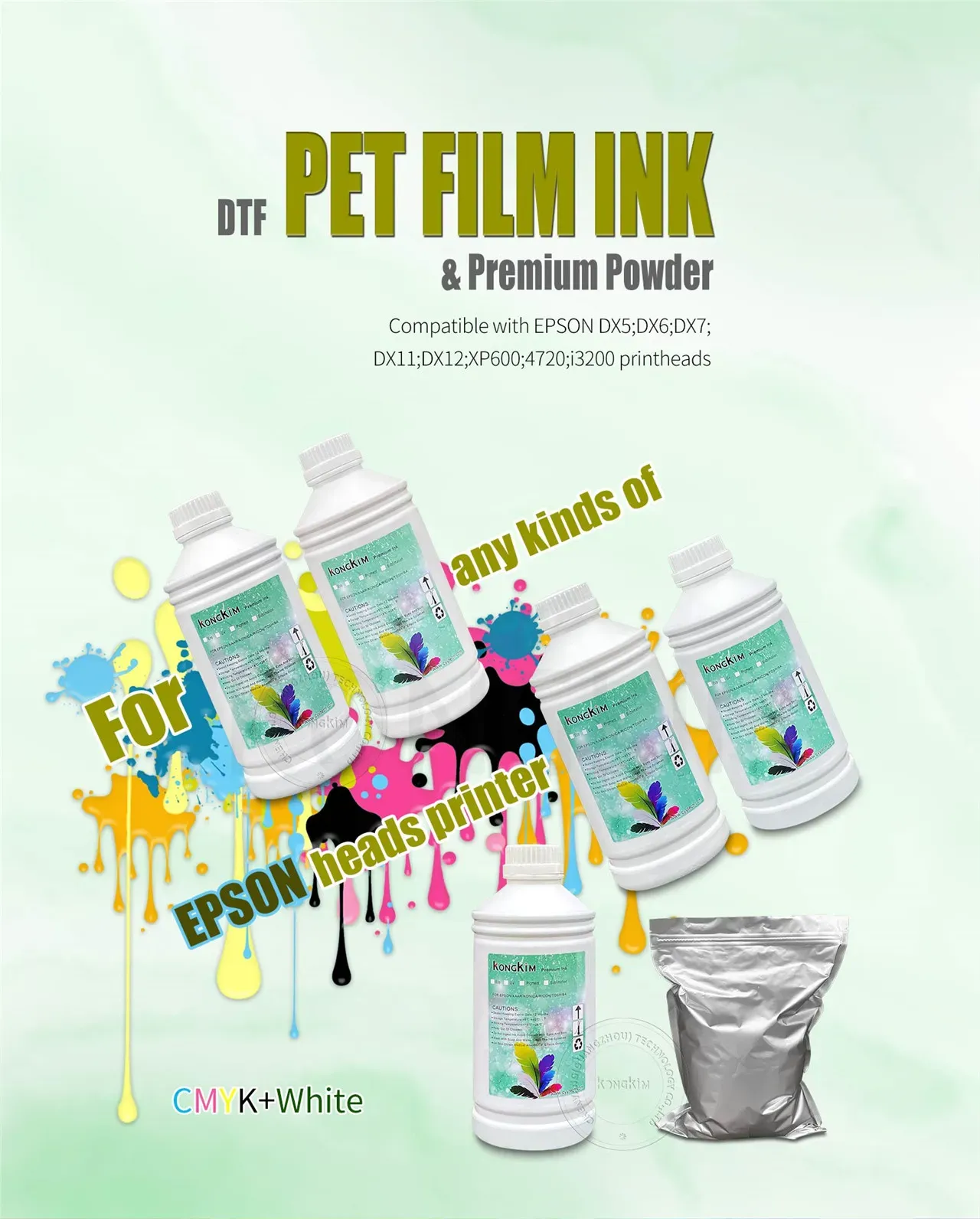
DTF inks and films have transformed the way apparel and fabric projects are produced, offering a versatile path to vibrant, durable prints. For newcomers to Direct-To-Film technology or shops weighing material options, a clear view of DTF inks, DTF film types, and the adhesive powder helps set the foundation for success. These selections affect color vibrancy, wash durability, and run-to-run consistency, contributing to durable textile prints across a range of fabrics. A practical guide helps compare options and explains how to align the DTF workflow with your fabric range and production goals. Ultimately, matching inks with the right films and a reliable workflow highlights DTF printing advantages that speed production while maintaining quality.
In other words, this transfer-based textile decoration uses direct-to-film media to lay down pigments that stay vivid through repeated washing. Think of it as a modern form of print-on-film technology where the carrier film, the adhesive powder, and heat-press parameters determine the final look. From an LSI perspective, related concepts include digital textile printing, bonding substrates, and color management through ink sets and surface release films. By focusing on compatible inks, films, and curing protocols, shops can achieve durable, professional results across diverse fabrics.
DTF inks and films: Core Components for Durable Textile Prints
DTF inks and films form the backbone of reliable transfers, dictating color, feel, and longevity across garments. When planning a project, understanding how ink chemistry pairs with film choice helps predict vibrancy, white underbase capability, and wash durability for durable textile prints.
Careful alignment of ink formulation with film types, cure temperature, and the adhesive powder defines real-world durability. As you optimize the DTF workflow, selecting compatible inks and films reduces cracking, fading, and edge ghosting, especially after repeated laundering.
DTF Film Types and Their Impact on Color Fidelity
DTF film types offer different gloss levels, thicknesses, and release properties that influence how color transfers and how the final hand feels on fabric.
Choosing the right film type is essential for color fidelity across fabrics; thicker films can stabilize edges for sharp images, while matte finishes reduce shine on dark garments, contributing to durable textile prints.
Choosing the Right DTF Inks: Color, Cure, and Compliance
DTF inks selection centers on color gamut, cure temperature, drying time, and compatibility with the adhesive and film stack.
Opt for water-based, low-VOC options to meet environmental standards, ensuring long-term durability without sacrificing color vibrancy or white underbase performance.
DTF Printing Advantages for Apparel Production
DTF printing advantages include a soft hand, broad fabric compatibility, scalable production, and vibrant colors that survive multiple washes.
This combination supports durable textile prints at a favorable cost per piece when the workflow is well-tuned, enabling faster turnaround and consistent results.
The DTF Workflow: Steps from Design to Durable Finish
The DTF workflow covers design to transfer, with color management, precise printing, even powdering, careful curing, and controlled heat transfer.
A disciplined workflow ensures reproducible results across lots, reducing misregistration and improving wash durability through consistent heat, time, and pressure.
Practical Material Selection Guide for Durable Textile Prints
Practical material selection starts with defining your fabric range and end-use, then running pilot tests to compare ink sets, film types, and powders.
Document batch information, test results, and lifecycle costs to optimize durability, quality control, and ROI.
Frequently Asked Questions
How do DTF inks and DTF film types affect durable textile prints?
DTF inks influence color vibrancy, white underbase capability, and adhesion to the bonding powder; DTF film types govern edge crispness, release performance, and texture. The best durability comes from a matched ink and film combination, proper curing, and a consistent heat-transfer process.
What are the main advantages of DTF printing for textiles (DTF printing advantages)?
DTF printing advantages include vibrant color, soft hand, compatibility with many fabrics, and a scalable workflow from design to transfer. Selecting the right inks and film helps maximize wash durability and color fidelity across runs.
How does the DTF workflow impact durability and color accuracy?
The DTF workflow—from design and color management to printing, powdering, curing, and transferring—ensures consistent results. Following proper cure temperatures, dwell times, and alignment yields durable textile prints with stable colors.
How should I choose between different DTF film types to optimize durability?
Consider film thickness, release surface (gloss vs matte), and compatibility with your ink set. Gloss films can sharpen edges, while matte films reduce glare; run pilot tests on your fabrics to select the film type that delivers durable textile prints.
What factors should I consider when evaluating DTF inks for durable textile prints?
Evaluate color gamut, cure temperature, drying time, white underbase performance, adhesion with the powder, and environmental compliance. Ink chemistry should align with your film and heat-press parameters to maximize durability.
What are common issues with DTF inks and films and how can I troubleshoot them in the workflow?
Cracking or peeling after washing may indicate improper cure or uneven powder adhesion; color dullness or off-gassing can result from incorrect white underbase or film choice; ghosting or misregistration points to transfer temperature or alignment problems. Use small pilot batches to adjust cure, powder distribution, film selection, and press settings.
| Aspect | Key Points | Notes / Impact |
|---|---|---|
| DTF Inks (Ink Chemistry) |
|
Affects colorfastness, base feel, and durability; influences cure temperature and drying time; compatibility with heat press settings. |
| DTF Films (Carrier & Finish) |
|
Film choice should align with ink set, fabrics, and press capabilities to maximize color accuracy and durability. |
| Durability Factors |
|
Durability is cumulative; optimize all components and workflow for best results. |
| Choosing Materials: Practical Guide |
|
Follow a systematic material-selection workflow to balance performance and cost. |
| The DTF Workflow |
|
A robust, repeatable process ensures consistent results across lots. |
| Troubleshooting Common Issues |
|
Address root causes with validated parameter adjustments and testing. |
| Case Studies |
|
Real-world material decisions illustrate how ink/film combos impact durability and aesthetics. |
| Tips for Durability & ROI |
|
A structured approach yields reliable results and better ROI over time. |
Summary
DTF inks and films are redefining garment decoration by enabling durable, vibrant prints across a wide range of fabrics. The key to success lies in balancing ink chemistry with film choice, adhesive powder quality, curing protocol, and heat-press settings to achieve consistent color, strong adhesion, and wash-fast performance. A practical approach includes defining your fabric range, pilot testing ink/film combinations, selecting reliable powders, validating curing parameters, and implementing a simple QC routine. By maintaining a structured workflow and a materials library, shops can maximize durability and ROI. With thoughtful material selection and disciplined process control, DTF inks and films deliver flexibility, speed, and enduring quality that keeps customers coming back for more.