

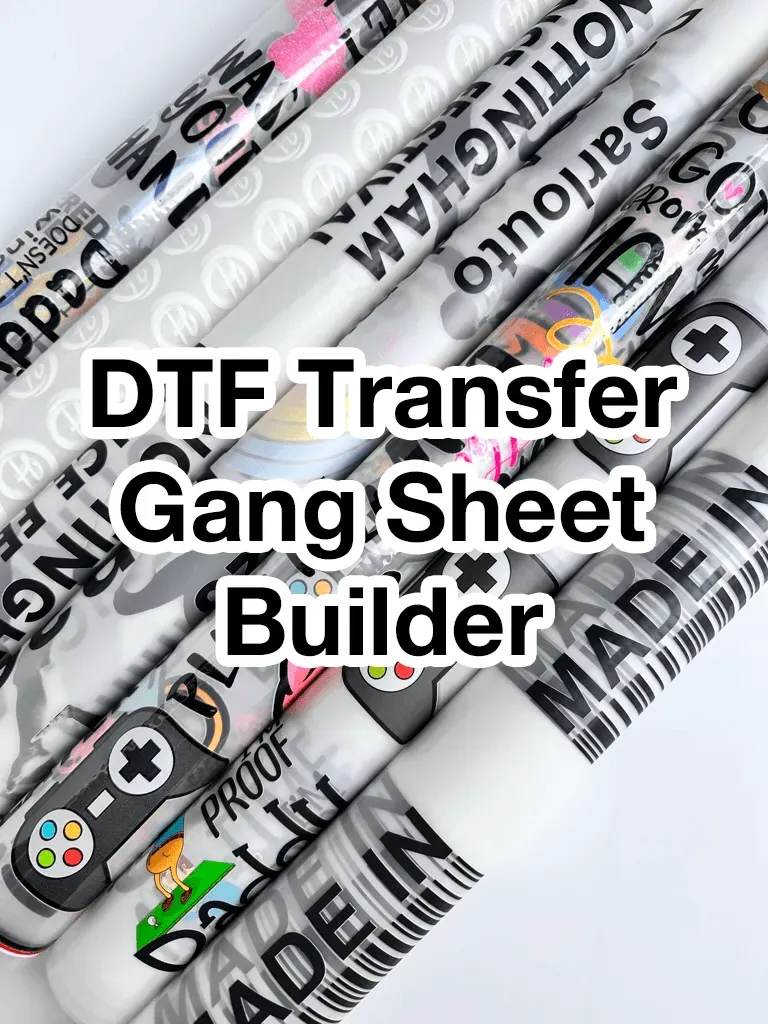
DTF Gangsheet Builder is a game changer for anyone exploring direct-to-film printing. This tool helps you arrange multiple designs on a single sheet, optimize ink usage, and streamline DTF transfers. With clear print layout options and guided workflows, it supports a consistent color management process across projects. Using this builder, you can design efficient gang sheets that reduce waste and fit within typical heat press guidelines. Whether you’re new to DTF printing or upgrading your studio, the DTF Gangsheet Builder makes it easier to plan, print, and transfer with reliability.
A smarter way to describe this tool in LS I terms is a batch-sheet planner or layout optimizer for DTF printing. In this framing, you group several designs on one printable gang sheet, aligning margins and spacing to streamline transfers and keep production tidy. This semantic approach links directly to DTF transfers, print layout strategy, and heat press guidelines, helping you minimize setup time and material waste. Think of the concept as a design-bundling utility that supports color management and post-print processing across multiple designs. By adopting these LS I-inspired terms, you keep your content relevant to readers and search engines while emphasizing repeatable, efficient results.
1. Understanding the DTF Gangsheet Builder
The DTF Gangsheet Builder is a specialized workflow that lets you arrange multiple designs on a single printable sheet. This layout approach saves time, minimizes setup, and helps you maximize ink efficiency during DTF printing while preserving transfer quality. By grouping designs together, you can standardize margins, spacing, and alignment, which directly influences the consistency of DTF transfers across a batch. In practice, this tool acts as a blueprint for turning scattered artwork into a cohesive, production-ready sheet.
For newcomers, the Gangsheet Builder demystifies color management, design placement, and post-print processing. It complements a grower’s understanding of DTF printing and how a well-planned print layout reduces waste and errors when switching between designs. Compared with printing each image separately, it promotes repeatable results and smoother workflows, especially when balancing multiple jobs or testing color fidelity against real garment textures.
2. Designing Effective Gang Sheets for Consistent Transfers
Effective gang sheet design starts with a clear grid and thoughtful margins. Plan how many designs fit on a standard sheet, then map out rows, columns, and spacing to ensure clean edges and reliable trimming. A strong print layout considers edge-to-edge alignment and space for potential adjustments, which helps when producing multiple garments with similar artwork. This planning reduces misalignment and supports accurate DTF transfers on every item.
In addition to spacing, consider design orientation, size variation, and color balance across the sheet. Export files with consistent resolutions and ensure transparency where needed so the grid prints cleanly. By treating the gang sheet as a single composite file, you streamline the path from artwork to successful DTF transfers, minimizing color shifts and edge inconsistencies that often plague multi-design prints.
3. Color Management Essentials for DTF Printing
Color management is a cornerstone of reliable DTF printing. Use ICC profiles tailored to your printer and inks, perform quick color tests, and maintain a color log to track adjustments from session to session. When a gang sheet holds multiple designs, consistent hues across all designs depend on precise color calibration, accurate separations, and stable printer behavior. Proper color readiness helps ensure your DTF transfers look as intended on fabric.
Rely on color-conscious workflows: monitor calibration, proofing with test prints, and aligning with your RIP’s color management capabilities. Keeping colors predictable across batches makes it easier to reproduce designs and maintain brand consistency. In the context of DTG vs DTF considerations, mastering color management ensures your DTF printing achieves vivid, durable transfers without unexpected shifts.
4. Tools and Setup You Need for DTF Gangsheet Projects
To launch a DTF gangsheet project, assemble a reliable toolkit: a DTF printer with compatible film and adhesive powder, RIP or design software, a layout tool, and a color-managed workflow. Include a heat press with adjustable temperature and time controls, plus protective sheets for clean transfers. Cutting tools or a desktop cutter are also handy for trimming finished gang sheets. This setup lays a solid foundation for efficient print layouts and repeatable results.
Create a clean, organized workspace with sufficient PPE and dust control to handle powders safely. Keep spare powders, lint-free wipes, and calibration sheets on hand to maintain consistency. Documenting each batch’s settings—from temperatures to pressures—supports traceability and smoother scaling as you grow beyond small runs.
5. A Step-by-Step Workflow from Artwork to Transfer
Begin with artwork gathering and layout planning, then export files in print-ready formats. Build the gang sheet in your chosen layout tool, ensuring precise alignment and consistent spacing so that edges meet cleanly. Save a high-resolution final sheet in a format your RIP accepts, and confirm print settings including color profile and whether mirror printing is required for the transfer process.
Proceed to print, dry, powder, cure, and cut. Apply adhesive powder evenly, cure according to supplier guidelines, then trim designs and label sheets for batch tracking. When it’s time to transfer, follow heat press guidelines for the recommended temperature, time, and cooling method to achieve strong, durable results across designs on garments.
6. Troubleshooting, Best Practices, and Scaling with the DTF Gangsheet Builder
Common issues like misalignment, color bleeding, or powder adhesion problems can derail a run. Use alignment guides, run quick test prints, and verify that the film, ink, and powder are all compatible. Calibrate your heat press regularly and ensure the garment lies flat to prevent edge failures during transfers.
Adopt advanced practices to scale up: create reusable templates for different sheet sizes, batch similar designs to minimize ink changes, and implement a lightweight batch-tracking system. Document settings for each job to reproduce results consistently, and continually test new films, powders, and color profiles. With a standardized approach to print layout and diligent heat press guidelines, you can grow your DTF printing capacity while maintaining high transfer quality.
Frequently Asked Questions
What is the DTF Gangsheet Builder and how does it streamline DTF printing?
The DTF Gangsheet Builder is a layout tool that lets you place multiple designs on a single gang sheet for one print run in DTF printing. It streamlines your workflow by optimizing the print layout, reducing setup time, and minimizing wasted ink and media. It also helps standardize transfers across designs for more consistent DTF transfers.
How do I plan and execute a gang sheet using the DTF Gangsheet Builder within a print layout workflow?
Start by selecting designs and deciding a grid (rows x columns) with consistent margins. Place each artwork in the planned grid in your design software, then export a high-resolution, print-ready gang sheet (PDF or PNG) and verify alignment before printing. This is all part of a cohesive DTF printing workflow.
What role do color management and ICC profiles play in the DTF Gangsheet Builder workflow for DTF transfers?
Color management with ICC profiles ensures accurate hues across all designs on the gang sheet in DTF transfers. Run a small color test, log results, and rely on the printer’s color profile to minimize shifts during production.
How does the DTF Gangsheet Builder relate to DTG vs DTF printing, and when should you choose DTF transfers?
DTG vs DTF printing use different processes—DTG prints directly on fabric, while DTF transfers rely on film and adhesive powder. The DTF Gangsheet Builder optimizes bundling multiple designs for a single transfer, making DTF transfers ideal when durability, versatility across fabrics, and higher run efficiency are priorities.
What heat press guidelines should you follow to ensure clean, durable transfers from a DTF Gangsheet Builder sheet?
Follow your film and ink manufacturer’s temperatures and times, apply even pressure, and use proper pre-press handling. Ensure the adhesive powder is cured before transfer, and choose the correct peel method (hot or cold) per your workflow.
What common pitfalls should you watch for in the print layout stage of the DTF Gangsheet Builder, and how can you troubleshoot them?
Common issues include misalignment, inconsistent margins, edge cropping, and color bleed. Use alignment guides and consistent margins, run quick alignment tests, verify mirror/print-direction, and do a test print before full production to troubleshoot.
| Aspect | Key Points |
|---|---|
| What is the DTF Gangsheet Builder |
|
| Getting Started: Tools, Materials, and Setup |
|
| Step-by-Step Tutorial: Building a DTF Gangsheet |
|
| Best Practices for a Smooth DTF Gangsheet Builder Experience |
|
| Common Pitfalls and Troubleshooting |
|
| Advanced Tips for Growing with the DTF Gangsheet Builder |
|
Summary
Conclusion: The DTF Gangsheet Builder is a powerful workflow that helps you place multiple designs on a single sheet to maximize ink efficiency and streamline transfers. This approach supports DTF printing workflows by improving color management, alignment, and post-print processing, enabling you to produce consistent DTF transfers across garments. Whether you’re evaluating DTG vs DTF, building gang sheets for small batches or larger runs, or refining heat press guidelines, the DTF Gangsheet Builder keeps production predictable. Success comes from planning layouts, standardizing print settings, and documenting results, which reduces waste and speeds up scaling while maintaining quality.