

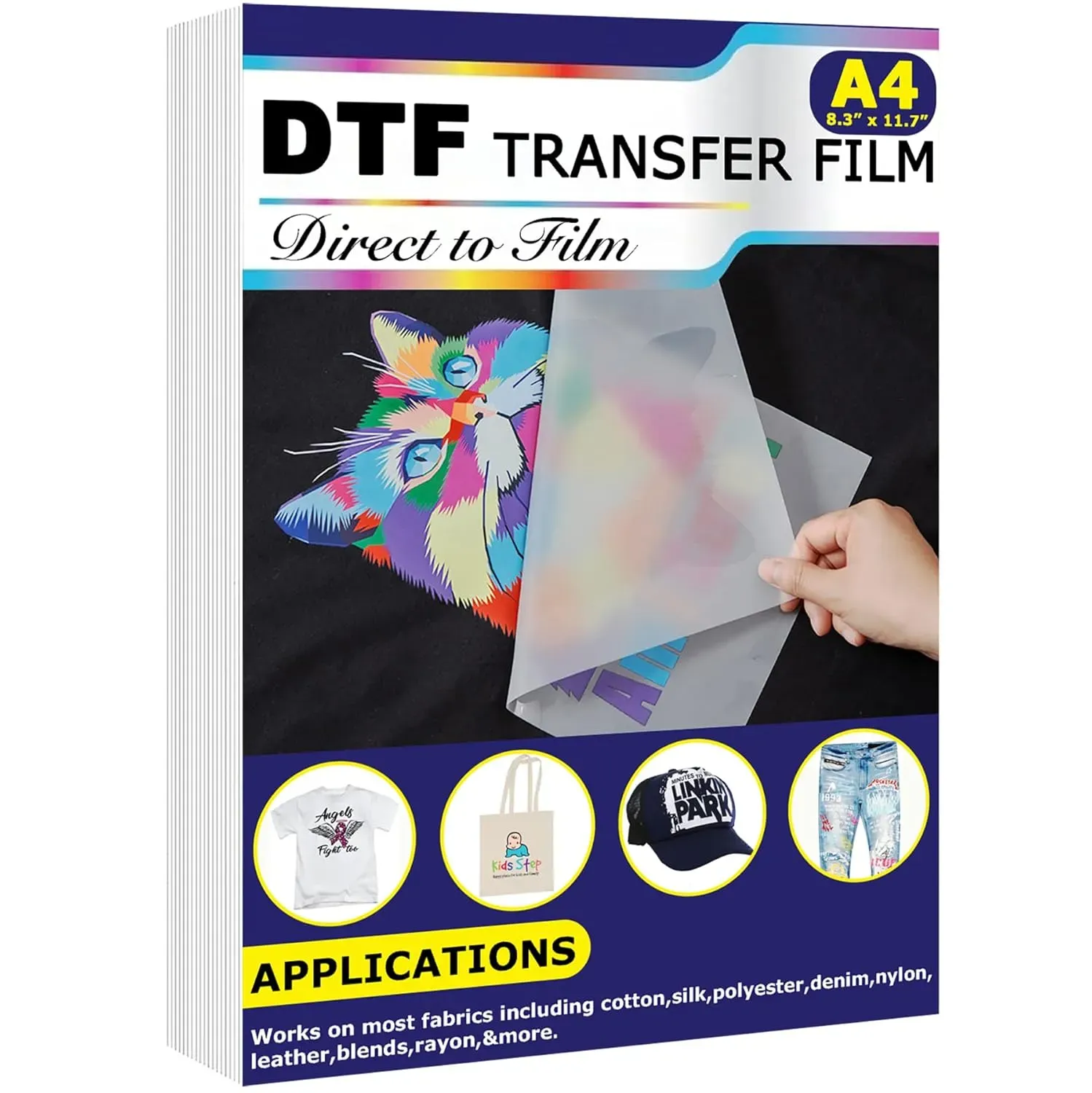
Direct-to-Film transfers are redefining how apparel is decorated, delivering vibrant color and a soft hand feel. This guide introduces the DTF printing process, the equipment you’ll need, and a practical path from concept to production. As you explore, you’ll find a concise DTF transfer guide that outlines step-by-step workflows and essential quality checks. Careful attention to DTF curing and pressing ensures durable adhesion and a consistent print across cotton and blends. If you’re weighing Direct-to-Film transfers against heat transfer vinyl, you’ll appreciate the versatility and efficiency this method offers.
In broader terms, this film-based decoration technique aligns with modern textile printing methods that pair digital design with heat-activated adhesion. From an LSI perspective, you might hear references to transfer-on-film workflows, polymer-based garment decals, or ink-on-film processes used for apparel. This framing helps designers connect DTF concepts to related approaches like adhesive film transfers and printed-on-film workflows without getting locked into one vendor. In practice, you still benefit from reliable powders, precise heat, and careful press settings to ensure longevity and image fidelity. Understanding these related terms enhances your ability to compare options and communicate with suppliers when choosing equipment and materials.
Understanding Direct-to-Film Transfers: Core Concepts and Benefits
Direct-to-Film transfers represent a modern approach to textile decoration, where a design is first printed onto a specialized PET film, then coated with adhesive powder, cured, and finally transferred to fabric with heat and pressure. This two-step (or three-step) workflow emphasizes color fidelity, versatility, and a forgiving setup that suits small runs as well as larger batches. The process leverages the DTF printing process to achieve vibrant images on a wide range of fabrics, from cotton blends to poly mixes.
As a foundational option, Direct-to-Film transfers deliver high color density, soft hand feel, and relatively straightforward maintenance compared with some other methods. A practical DTF transfer guide highlights the balance between underbase opacity on dark fabrics and the flexibility of the film-based transfer. This makes DTF a compelling choice when you need detailed artwork, smooth gradients, and reliable adhesion across diverse garment types.
DTF Printing Process Essentials: Equipment, Materials, and Setup
A reliable Direct-to-Film workflow starts with the right hardware and consumables. You’ll typically use a DTF printer (or a converted printer) capable of CMYK printing with white ink if your design requires opacity, DTF film designed to receive ink and adhesive powder, DTF adhesive powder, a curing device, and a heat press for final transfer. The DTF printing process hinges on accurate ink density, color management, and film handling to ensure the printed image remains vibrant during curing and transfer.
Beyond the printer and film, practical setup involves protective sheets, heat-resistant tape, tweezers, and a powder application tool. Proper storage of films and powders, dust-free handling, and a clean workspace help maintain consistency. Following best practices from a DTF transfer guide, you’ll also calibrate your prepress steps, avoid moisture exposure, and establish routine checks for alignment and film tension to keep results reproducible.
DTF Transfer Guide: Step-by-Step Workflow from Design to Post-Press Care
This section outlines a practical, step-by-step workflow that guides you from design through post-press finishing. Start with high-resolution artwork and a clear plan for white underbase on dark fabrics, then proceed to printing the design onto DTF film using proper color management. If white ink is involved, print the white layer in the correct sequence so the final colors appear vibrant on the garment.
Next, apply adhesive powder while the ink remains tacky, cure the powder according to the manufacturer’s guidelines, and prepare the garment with a thorough prepress to remove moisture and wrinkles. Transfer the design with heat and pressure, peel while warm if indicated, and perform a post-press cure or brief second press as needed. This workflow mirrors the DTF transfer guide’s emphasis on precision at each stage to achieve durable adhesion and crisp image quality.
DTF Curing and Pressing: Techniques for Durable, High-Quality Results
DTF curing and pressing are critical to durability. After applying the adhesive powder, a controlled cure fixes the powder to the printed image, locking in color fidelity and adhesion before the transfer. Temperature and dwell time must align with the film and ink manufacturer recommendations; a typical range might be adjusted based on fabric type and powder formulation to ensure a strong bond without scorching the material.
During the transfer, consistent heat and pressure are essential. Fabrics with higher polyester content may benefit from shorter press times, while cotton-heavy blends can tolerate longer durations. Using protective sheets and testing with swatches helps dial in the exact settings. The goal is a high-quality transfer that remains vibrant after multiple washes, which reinforces the importance of following the DTF printing process and curing/pressing guidelines precisely.
DTF vs Heat Transfer Vinyl and Related Methods: Choosing the Right Technique
When deciding between Direct-to-Film transfers and heat transfer vinyl (HTV), color density and imaging capabilities often tip the scales in favor of DTF. DTF typically delivers richer color, smoother gradients, and more complex multi-color designs across a broader range of fabrics, making it well-suited for detailed artwork and photography. HTV remains valuable for simple designs, specialty textures, or lower-cost applications where high-volume production isn’t a priority.
Comparisons with other methods, like DTG or traditional screen printing, highlight distinct trade-offs. DTF transfers offer flexibility for small to mid-sized runs and rapid design changes without the setup complexity of screen printing, while DTG excels on light fabrics with photorealistic detail but can require more time and equipment. Understanding these differences informs a smarter choice between DTF versus heat transfer vinyl and related techniques for a given project.
Troubleshooting, Quality Control, and Best Practices for Consistent DTF Results
A robust QC regime helps you detect and fix issues early. Common checks include monitoring color density and opacity on dark fabrics, testing adhesion through wash cycles, and watching for ghosting or halos around edges. If colors appear washed out, re-evaluate ink density, white underbase usage, or powder curing duration. Regular inspection of the transfer during and after pressing helps sustain consistent results.
To maintain production readiness, establish SOPs for every stage—printing, powdering, curing, transferring, peeling, and post-press finishing. Keep a clean, dust-free environment, store films and powders properly, and document any changes to materials or settings. Ongoing maintenance of the printer and heat press, along with careful handling and storage, helps you achieve reliable DTF transfers that endure through repeated laundering.
Frequently Asked Questions
What are Direct-to-Film transfers and how does the DTF printing process work?
Direct-to-Film transfers are a heat-applied method that prints a design onto a PET film, applies adhesive powder, cures it, and then transfers the image to fabric with heat and pressure. The DTF printing process supports vibrant color, white underbase on dark fabrics, and a flexible workflow suitable for small runs to larger batches. After pressing, the transfer is peeled from the film, leaving a durable image on the garment.
What is the DTF transfer guide for beginners?
The DTF transfer guide outlines a repeatable workflow: design artwork, print on DTF film (using white ink where needed), apply and cure the adhesive powder, prepress the garment, transfer with the recommended temperature and time, then peel and perform any final curing. Following this guide helps you achieve consistent color, opacity on dark fabrics, and durable adhesion across fabrics.
Why is DTF curing and pressing important for transfer quality?
DTF curing and pressing are essential for durable results. Cure the adhesive powder as directed, then apply heat and pressure within the recommended ranges for your film and fabric. Proper curing, a careful press, and the right peel strategy (hot or warm) significantly affect adhesion, color fidelity, and longevity.
DTF vs heat transfer vinyl: which method should I choose for multi-color designs?
DTF vs heat transfer vinyl generally favors DTF for multi-color, detailed designs because of higher color density and smoother gradients across a wider range of fabrics. HTV remains useful for simple designs, lower-cost options, or specialty textures, but DTF often delivers more vibrant, durable results for complex artwork.
What equipment and materials do I need for Direct-to-Film transfers as outlined in a DTF transfer guide?
Core items include a DTF printer with CMYK inks and white ink, DTF film, adhesive powder, a curing device, a heat press, protective sheets, and basic tools like tape and tweezers. A clean workspace and proper storage for films and powders help maintain consistent, repeatable results per the DTF transfer guide.
What are common troubleshooting steps in the DTF printing process to improve color, adhesion, and durability?
Common steps include checking color density and opacity (white underbase on dark fabrics), ensuring even powder coverage and proper curing, verifying film alignment and no fabric stretch during pressing, and testing a sample wash to verify durability. If issues arise, adjust ink density, curing time, or heat/pressure settings accordingly.
| Aspect | Summary |
|---|---|
| What are Direct-to-Film transfers? | A two- to three-step process: print artwork onto a PET film with CMYK (white ink as needed for opacity on dark fabrics), apply an adhesive powder, cure the powder, and transfer the design to a garment with heat and pressure. The result is a vibrant image with durable adhesion that can be peeled off the film after pressing. |
| Equipment and materials you’ll need | – DTF printer or converted printer capable of CMYK (and white ink if opacity is needed) on DTF film – DTF film – White ink (for opacity on dark fabrics) – DTF adhesive powder – Curing device or hot air dryer – Heat press or conveyor oven – Protective sheets (parchment or silicone) – Heat-resistant tape, tweezers, and a powder application brush/shaker |
| Typical workflow | 1) Design and color management 2) Printing on DTF film 3) Powder application 4) Curing the powder 5) Preparing the garment 6) Transfer with heat and pressure 7) Peel (hot/warm) 8) Post-press curing and quality check |
| Step-by-step workflow in more detail | – Design with intent: high-resolution artwork (≥300 dpi) with white underbase planned for opacity on dark fabrics. – Print with precision: properly tune the printer for DTF film; keep film clean and aligned. – Powder application: coat evenly, remove excess powder to avoid clumps. – Curing discipline: cure the powder per manufacturer guidelines. – Prepare garment: prepress to remove moisture and wrinkles. – Transfer: place film on garment, apply heat/pressure per material guidelines (typical 130–160°C / 265–320°F, 12–20s). – Peel: hot or warm peel for better adhesion/color fidelity. – Post-press finishing: optional brief second press and quality check for color fidelity and edge quality. |
| DTF vs other methods: where this fits in | – DTF vs HTV: DTF offers higher color density and smoother gradients; HTV is simpler/cheaper for basic designs or specialty textures. – DTF vs DTG: DTG prints directly on fabric (great for photos on light fabrics) but can be slower and more equipment-intensive; DTF is versatile across fabrics/colors and cost-effective for small-to-mid runs. – DTF vs screen printing: Screen printing is cost-efficient for high-volume runs; DTF excels in small batches, rapid prototyping, and multi-color designs with frequent changes. |
| Troubleshooting and quality control | – Color density and opacity: adjust ink density/white underbase or cure time if colors look washed on dark fabrics. – Adhesion and durability: test on sample wash; adjust temperature/time/film if edges crack or peel. – Ghosting/ghost lines: check film alignment, ensure garment lies flat, minimize fabric stretch during pressing. – Powder clumps or incomplete coverage: refine powder application and ensure full, even coverage. |
| Quality control and production readiness | Maintain a clean, dust-free handling area; store film/powder properly; develop SOPs for printing, powdering, curing, transferring, peeling, and post-press finishing; periodically review and update SOPs when switching films, powders, or fabrics. |
| Benefits and challenges | Benefits: vibrant color, broad fabric compatibility, straightforward setup for small to mid-sized runs, support for complex multi-color designs. Challenges: requires careful powder curing, precise temperature control during transfer, ongoing maintenance of printer and consumables to prevent color shifts or adhesion issues. |
| Practical tips for success | – Start with quality materials from reputable brands. – Build a library of test designs to understand behavior across fabrics. – Calibrate settings for different fabrics (cotton, poly blends, dark fabrics). – Maintain equipment and clean components regularly. – Document changes when changing films, inks, or powders to reproduce success. |
Summary
Conclusion