

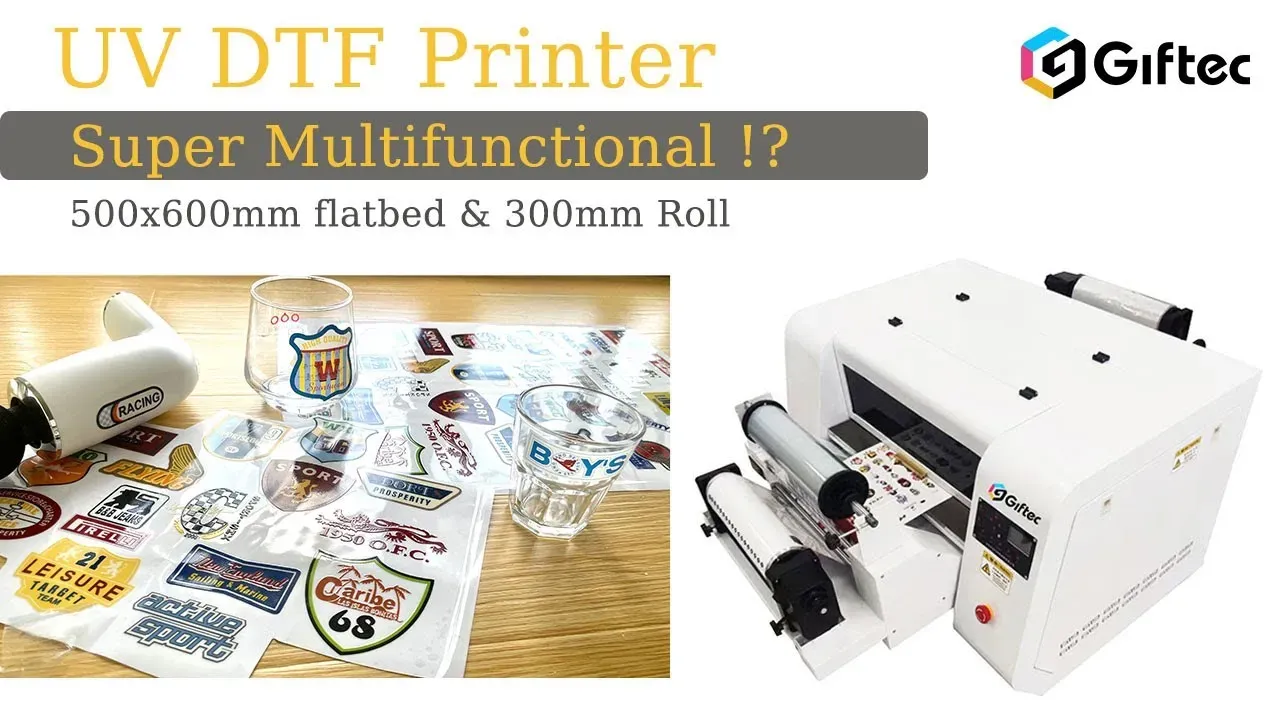
UV DTF transfer substrates play a pivotal role in determining how ink adheres, how colors render, how sharply details hold, and how durable the final result will be under washing, sunlight, and daily use, meaning that selecting materials with predictable behavior under UV exposure and consistent ink uptake across batches is essential. Choosing the right substrate matters for achieving durable DTF prints that stand up to repeated washing, outdoor exposure, and everyday abrasion, while also preserving hand feel and breathability in textiles, with attention to cost efficiency and supply chain stability to ensure reliable production at scale. This guide focuses on best substrates for UV printing and durable DTF prints, and explains substrate compatibility for UV DTF, adhesion principles, coating interactions, and practical tips for selecting, preparing, curing, and testing surfaces so you can consistently achieve reliable results, including how primer choice interacts with coating porosity and substrate roughness to influence ink holdout. By starting with the right substrate, you can optimize ink adhesion, cure efficiency, edge sharpness, and color depth right from the first run, reducing reprints and waste, while this also supports consistent tactile and visual results across batches. Whether you print on fabrics, ceramics, glass, metal, or composites, understanding substrate properties helps you consistently achieve a vibrant color transfer with stable wear characteristics, while maintaining the texture, flexibility, or gloss your product design requires, even under harsh processing, temperature fluctuations, or frequent handling.
Across UV-curable transfer workflows, the emphasis shifts to surfaces that support reliable polymerization and steady ink holdout. When you think in terms of printing substrates for UV DTF-like processes, consider materials that respond consistently to UV light, have compatible primers, and offer uniform textures suitable for edge definition. Alternatives to traditional textiles include glass, ceramic, and metal bases that have been treated for enhanced adhesion, while textiles benefit from breathable, pliable bases to preserve hand feel. By focusing on surface chemistry—coated or primed, smooth or correctly textured—you can achieve the same durable, vivid results with different substrate families, following best practices for curing and post-process care.
Understanding UV DTF transfer substrates and their impact on durability
Choosing the substrate for UV DTF transfers shapes how the ink adheres, how the color renders, and how long the finish lasts. Substrates that pair well with UV-curable inks enable cleaner cures, sharper edges, and durable DTF prints that resist cracking and peeling through washing, sunlight, and everyday use. The coating, texture, and density of the base influence adhesion and vibrancy, so selecting a compatible substrate is the first step toward vivid, long-lasting results.
When the substrate does not interact well with the UV inks, it can soak up or reflect light unevenly, dulling vibrancy and undermining durability. Aligning substrate properties with your ink chemistry and curing system fosters stronger interfacial bonding, crisper details, and color accuracy that stays true over time. Consider surface smoothness, primer compatibility, and cure depth as you build a stack designed for durable color transfer.
Key factors in selecting substrates for UV DTF transfers
Key criteria for substrate choice include surface energy, porosity, and coating compatibility. A substrate must accept the UV adhesive and the inks without excessive swelling or lift. Evaluate how different families—cotton, polyester, glass, ceramic, wood—respond to pre-treatment and primers to achieve consistent results. Mapping substrate compatibility for UV DTF to your ink kit helps forecast performance and minimize surprises.
Practical tests such as swatch runs, adhesion checks, and cure verification reveal the best substrates for UV printing for each project. Remember that durable DTF prints come from a full stack—primer, surface prep, and accurate curing—not from coatings alone. Testing across textiles and hard goods helps you compare color depth, edge sharpness, and wear resistance.
Best substrates for UV printing across textile and hard goods
Cotton and cotton blends are popular for textiles because they balance softness with durable color transfer when prepared correctly. Polyester fabrics can be more challenging, but with proper pre-treatment they deliver strong wash durability and vibrant results. For hard goods such as ceramic, glass, and metal, UV DTF can achieve outstanding fidelity when an adhesion promoter or base coat ensures even cure and solid edge hold.
Selecting substrates for UV printing should account for product use and care. Garments need flexibility after curing, while mugs or tiles benefit from coatings that resist abrasion. Across categories, the core idea of best substrates for UV printing is to align ink chemistry, surface energy, and cure profile with the intended use, so color remains vivid and durable.
Optimizing ink adhesion: primers, coatings, and surface preparation
Surface preparation drives adhesion and color fidelity. Start with a clean, dry surface and apply a substrate-specific primer to improve bonding. The primer should match the material family and be tuned to the UV DTF ink’s viscosity and cure kinetics to prevent issues like bleed or edge cracking.
Coatings influence holdout, gloss, and the final feel. Too thick or incompatible coatings can hinder UV light penetration, reducing cure depth and risking micro-cracking. When cleaning, priming, and curing are aligned, you maximize durable DTF prints and ensure vibrant color transfer across fabrics and hard surfaces.
Color management and calibration for UV DTF on different substrates
Color management begins with substrate-aware profiling. Calibrate color profiles for each substrate family—cotton, polyester, and hard surfaces—to anticipate shifts in hue, brightness, and saturation. Use test swatches and white underbases to achieve consistent vibrant color transfer across runs.
In textiles, weave and texture influence ink spread, so adjust underbase density and ink saturation accordingly. In hard surfaces, consider gloss level or a matte finish that preserves edge sharpness. The goal is reliable color accuracy while maintaining long-lasting color stability on multiple substrates over time.
Validation, testing, and real-world considerations for UV DTF
Validation and testing are the backbone of a reliable UV DTF workflow. Implement a plan that includes sample lots, adhesion checks, wash cycles, and UV aging to simulate real-world use. This disciplined testing verifies substrate compatibility for UV DTF and confirms that the chosen base supports durable prints with consistent vibrant color transfer.
Document results and iterate. Real-world case studies show how small changes in primer, cure time, or substrate choice can transform wear resistance and color stability. By building feedback into the process, you’ll identify the best substrates for UV printing for each product line and keep pace with evolving ink chemistries.
Frequently Asked Questions
What makes a surface a good candidate among UV DTF transfer substrates for durable DTF prints?
A good UV DTF transfer substrate provides strong adhesion, reliable curing, and color fidelity. Look for smooth surfaces, coatings compatible with UV inks, and a base that supports the adhesive layer; prep with cleaning and a suitable primer to help achieve durable DTF prints.
Which UV DTF transfer substrates deliver vibrant color transfer on textiles and hard surfaces?
Substrates with good ink holdout and proper priming yield a true vibrant color transfer. Cotton and cotton blends respond well with correct pre-treatment, while polyester benefits from targeted primers; hard surfaces like ceramic, glass, and metal often require an adhesion promoter to preserve color depth and edge sharpness.
How does substrate compatibility for UV DTF affect performance on materials like ceramic, glass, and wood?
Substrate compatibility for UV DTF directly influences adhesion, curing uniformity, and color stability across different materials. Using material-specific primers and coatings helps prevent micro-cracking, dull color, or delamination, ensuring consistent results.
What are the best substrates for UV printing when aiming for durable, color-rich transfers?
The best substrates for UV printing balance practicality with performance, including cotton, polyester, and select hard surfaces. Evaluate substrate compatibility for UV DTF, test texture and coatings with swatches, and calibrate color profiles to ensure durable, color-rich transfers.
What surface preparation steps optimize UV DTF transfer substrates for durability and color?
Start with a clean, dry surface, then apply a suitable primer or coating designed for the substrate. Consider surface texturing and proper curing settings to maximize adhesion and color accuracy, leading to more durable UV DTF transfers.
How can you test substrate compatibility for UV DTF transfers before a full production run?
Print test swatches on each substrate type and evaluate adhesion, edge integrity after flexing, and color stability. Conduct wash/abrasion and aging tests to validate durability and ensure reliable performance in real-world use.
| Topic Area | Key Points |
|---|---|
| Introduction | Choosing the right substrate influences adhesion, color, and durability; start with UV DTF-compatible substrates; this guide focuses on selecting, preparing, and testing surfaces to achieve durable, vibrant results. |
| Understanding UV DTF transfer substrates | Substrates are not one-size-fits-all; key factors include base material, texture, and coatings; UV inks cure after transfer; substrate must be receptive to adhesive layers and UV-curable inks; UV-friendly substrates improve color transfer, edge sharpness, and wear. |
Summary
UV DTF transfer substrates set the foundation for durable, vivid designs across textiles, hard goods, and mixed materials. Selecting substrates compatible with UV-curable inks, preparing surfaces correctly, and applying the appropriate primers or coatings are essential steps for reliable color reproduction and wear resistance. Substrate choice impacts adhesion, curing efficiency, edge sharpness, and long-term colorfastness, making systematic testing across substrate families important. By coupling thoughtful substrate selection with disciplined process controls, designers and printer operators can achieve consistently high-quality UV DTF results that withstand washing, sunlight, and daily use.