

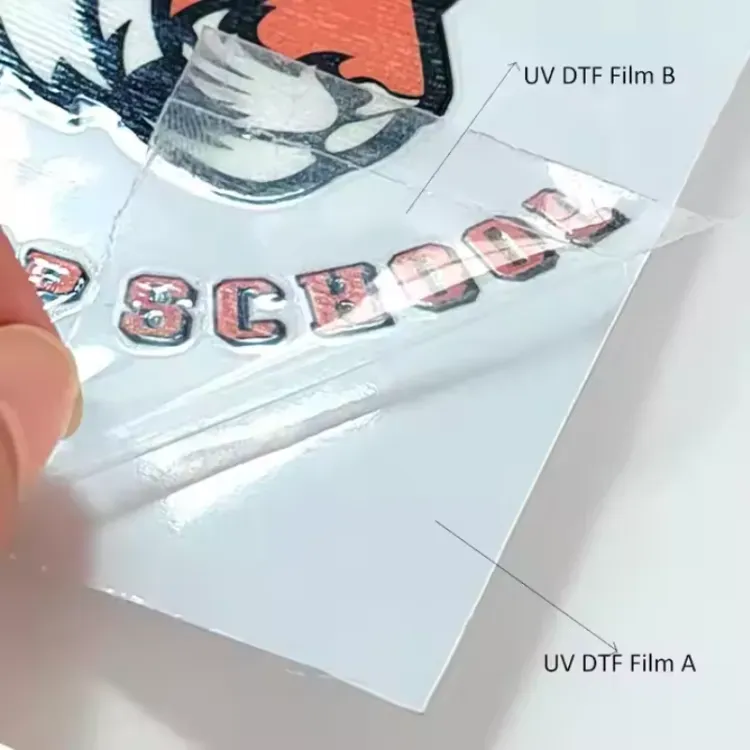
UV DTF transfer materials unlock sharper images and tougher durability for fabric prints, making your projects stand out. From DTF transfer paper to DTF transfer film, the right choice directly affects print quality and wash performance. High-quality DTF ink quality supports accurate color and consistent results across batches, while the best materials for DTF transfers reduce reprints. Understanding how to choose DTF transfer materials helps you tailor setups for cotton, blends, or synthetics without slowing production. This guide outlines core components and practical steps to evaluate options for your applications.
Looking at UV printing workflows from another angle, consider related DTF tools and supplies, including compatible substrates, transfer sheets, films, and curing options. These related terms—DTF production materials, ink systems, transfer sheets, and press settings—help you map how components interact to deliver durable transfers on a range of fabrics. Using alternative terminology strengthens your ability to compare suppliers, interpret technical guides, and implement a repeatable, quality-focused workflow.
UV DTF Transfer Materials: Building the Right Foundation for High-Quality Prints
Choosing the right UV DTF transfer materials sets the foundation for print quality, durability, and production efficiency. The core components—DTF transfer paper or DTF transfer film, the ink system, adhesive powders, and the heat-press parameters—must work in harmony to deliver vibrant colors, sharp edges, and strong adhesion. When you start with high-quality materials, you reduce reprints and shorten project timelines, which is especially important for apparel runs, promotional items, or small-batch products.
In practice, this means evaluating the compatibility of each material with your printer, RIP software, and the substrates you plan to press. For example, consider how DTF ink quality interacts with your chosen white underbase on dark fabrics, or how the film’s dimensional stability affects edge definition. By framing your selection around performance on your primary substrates, you’ll set clearer benchmarks for color accuracy, wash durability, and production throughput.
DTF Transfer Paper vs DTF Transfer Film: Pros, Cons, and Best Use Cases
DTF transfer paper and DTF transfer film each have distinct strengths that suit different projects. Paper-based carriers tend to be more forgiving and easier to handle, making them a solid choice for beginners or when printing on a wide range of fabrics. They often offer a more tactile feel, which some brands prefer for certain apparel lines.
DTF transfer film, on the other hand, provides high dimensional stability and can yield crisper outlines, especially on dark fabrics where color saturation needs to be punchier. Film can support more consistent results across batches once heat and pressure are dialed in, but it may require different handling, storage, and calibration. Understanding these trade-offs helps you select the best materials for DTF transfers based on fabric type, color goals, and production volume.
DTF Ink Quality and White Underbases: How Inks Shape Color, Durability, and Wash Longevity
DTF ink quality is a critical driver of color accuracy, gamut, and cure behavior. High-quality inks maintain color fidelity across batches, reduce shifts between proofs and printed results, and simplify color management during post-processing. A stable ink system also helps minimize issues like halo effects or color bleed, which are especially noticeable on bold gradients or saturated blocks.
The white underbase is essential when printing on dark fabrics, providing a foundation for vibrant color and preventing transparency from showing through. Selecting inks that render dependable white layers without excessive opacity or extended cure times can improve overall print consistency. Pairing robust ink quality with a reliable underbase strategy yields more predictable results on a variety of substrates.
Adhesive Powders and Curing Dynamics for Durable Transfers
Adhesive powders are what enable the printed image to bond to fabric during heat pressing. Powder quality, particle size, and uniform application influence adhesion strength and wash durability. Inadequate powder removal after pressing can leave residues or color specks that degrade the hand-feel and appearance of the final transfer.
Curing dynamics—how long and at what temperature you cure inks and powders—directly affect adhesion and wash performance. Proper post-press curing ensures the bond solidifies without bubbling or cracking, and it minimizes color shift during washes. Establishing a repeatable powder application and curing protocol helps stabilize results across batches and materials.
Heat Press Parameters and Substrate Compatibility: Aligning Settings to Fabric Types
Temperature, time, and pressure windows vary by material and fabric. Cotton blends may require different settings than 100% polyester, and textured or stretchy fabrics can add additional complexity. A robust UV DTF transfer materials workflow includes validated heat-press guidelines tailored to the chosen paper or film and to the substrate you’re applying to.
Fabric compatibility also extends to how well the transfer adheres to natural fibers versus synthetics, and how seams, appliqué areas, or textured surfaces influence uniformity. By pairing your material choice with substrate-specific testing, you can optimize edge definition, color lift, and overall durability across typical wear or use scenarios.
How to Choose DTF Transfer Materials: A Practical Evaluation Checklist
Start with clear project requirements to guide your selection of materials. Define the end-use (wearables, displays, or novelty items), the fabric types you’ll encounter (cotton, blends, synthetics), and the color outcomes you need (vibrant vs. muted). This framing helps you narrow choices to mats, papers, or films that align with your goals and production constraints.
Use samples from reputable suppliers to perform controlled tests, evaluating color accuracy, adhesion, and wash durability. Consider total cost of ownership, including ink consumption, powder usage, and waste, and assess vendor reliability and compatibility with your printer and RIP. By documenting your results and iterating on a small batch basis, you’ll arrive at a practical, scalable approach to choosing DTF transfer materials that best fit your brand and workflow.
Frequently Asked Questions
What are UV DTF transfer materials, and how do DTF transfer paper and DTF transfer film compare in this system?
UV DTF transfer materials are the consumables and substrates used to create heat-pressed designs on fabrics. DTF transfer paper offers easier handling and wider fabric compatibility, while DTF transfer film provides higher dimensional stability and crisper color, especially on dark fabrics. To optimize results, match your material choice to your substrate, press settings, and color needs, then validate with small test batches.
How does DTF ink quality affect UV DTF transfer materials and the final print on fabric?
DTF ink quality directly affects color accuracy, stability, and cure behavior when using UV DTF transfer materials. High-quality inks deliver consistent color across batches and reduce shifts during curing, which helps maintain a solid white underbase and vibrant colors. Ensure the ink system is compatible with your printer, the DTF transfer material, and your curing process, and profile accordingly.
What are the best materials for DTF transfers, and how to choose DTF transfer materials for UV applications (paper vs film)?
The best materials for DTF transfers depend on the application, substrate, and budget using UV DTF transfer materials. To choose DTF transfer materials, compare DTF transfer paper and DTF transfer film based on adhesion, color saturation, and wash durability, then test with your printer and RIP profiles. A smart approach is to stage small samples, measure total cost of ownership, and rely on reputable supplier guidance.
When should I choose DTF transfer film over DTF transfer paper for UV DTF transfer materials, and what does this mean for color and durability?
DTF transfer film is generally preferred for darker fabrics and crisper edges, while DTF transfer paper can be more forgiving on lighter fabrics. For UV DTF transfer materials, film offers better color saturation and stability after curing, but your results depend on heat, time, and pressure. Choose film or paper based on substrate, batch consistency, and your test results.
How can I evaluate UV DTF transfer materials, including testing DTF ink quality and white underbase on dark fabrics?
To evaluate UV DTF transfer materials, start with a color test and white underbase test on both light and dark fabrics. Assess color accuracy, edge sharpness, adhesion, and wash durability through a controlled cycle test. Keep notes on ink quality, underbase performance, and how the material interacts with your heat-press settings.
What steps can I take to select and store UV DTF transfer materials to ensure consistent results with DTF transfer paper or film?
Steps include defining project requirements, testing samples from multiple suppliers, and documenting settings. Store DTF transfer paper and DTF transfer film sealed from humidity and light, with proper temperature, and track shelf-life and reorders to maintain consistency. Ensure vendor compatibility with your printer and RIP software, and maintain a repeatable workflow.
| Topic | Key Points / Details | Notes / Implications |
|---|---|---|
| Core concept of UV DTF transfer materials | UV DTF transfer materials are the consumables and substrates used to create a heat-pressed film or sheet for fabric or other substrates. Main components include the DTF transfer tape/film, the transfer paper (or film-backed sheet), the ink system, adhesive powders, and the heat-press parameters. | A harmony of components yields sharper images, truer color, and longer lasting transfers. |
| DTF transfer paper vs film | DTF transfer paper uses a paper-based carrier and is easy to handle; forgiving across fabrics but may have slightly less vivid white underbase. DTF transfer film uses a film carrier with high stability for clean outlines and strong color, especially on dark fabrics; may require different handling and storage. | Test both options to determine fabric compatibility and results. |
| Inks and color systems | Ink quality affects stability, color gamut, and cure behavior. White underbase is usually necessary on dark substrates to provide vibrant color and reduce bleed. | Aim for consistent color across batches; ensure underbase is dependable without excessive opacity or long cures. |
| Adhesive powders and curing dynamics | Adhesive powders enable the print to bond to fabric during heat pressing. Powder quality, particle size, and application affect adhesion strength and wash durability. Post-press powder removal is critical to prevent residue. | Optimize powder application and removal for clean, durable results. |
| Heat press and substrate compatibility | Temperature, time, and pressure windows vary by material and fabric. Cotton blends vs 100% polyester require different settings. Validate heat-press guidelines and consider substrate compatibility and fabric texture. | Be mindful of seams, textures, and fabric stretch when setting parameters. |
| Evaluation: project requirements | Define end-use, fabric types, color outcomes, and wash cycles to guide material selection. | A precise brief simplifies matching materials to applications. |
| Evaluation: samples & testing | Obtain samples, print swatches, test white underbase on dark fabrics, assess color accuracy, adhesion, and wash durability. | Document results and compare against proofs or targets. |
| Total cost of ownership | Consider ink and powder usage, waste, durability, and reprint rates; cheaper materials can increase turnaround times and rework. | Balance upfront cost with long-term performance and yield. |
| Vendor reliability & compatibility | Ensure compatibility with printer model, firmware, RIP software; check for updated profiles and support; review case studies and references. | Prefer suppliers offering ongoing support and testing guidance. |
| Best practices | Align materials with substrate, build a small repeatable workflow, document settings, ensure proper curing, and store materials properly. | Develop and follow a standard operating procedure for material testing and production. |
| Practical testing checklist | Print gradients and solid blocks, test white underbase on start, use both light and dark fabrics, run at least three wash cycles, and chart results. | Use the checklist to compare materials consistently. |
| Common pitfalls | Over-reliance on a single material, skipping powder removal, underestimating post-processing, and ignoring fabric stretch. | Always validate with new batches and fabrics. |
Summary
UV DTF transfer materials are the foundation of high-quality, durable transfers and a predictable production timeline. Understanding how DTF transfer paper versus film, ink quality and underbase control, adhesive powders, and heat-press parameters work together helps you optimize color accuracy, adhesion, and wash durability. Start with clear project requirements, test both paper and film options on your typical fabrics, and evaluate color fidelity, bonding strength, and post-press handling through controlled wash tests. Track total cost of ownership, verify vendor compatibility with your printer and RIP, and build a small, repeatable workflow that you document for every material you test. By adopting a structured approach to selecting UV DTF transfer materials, you can reduce reprints, shorten lead times, and consistently deliver vibrant, long-lasting prints for apparel, promotional items, and small-batch productions. With experience, you’ll develop a preferred set of materials that aligns with your brand and customer expectations, enabling scalable growth.