

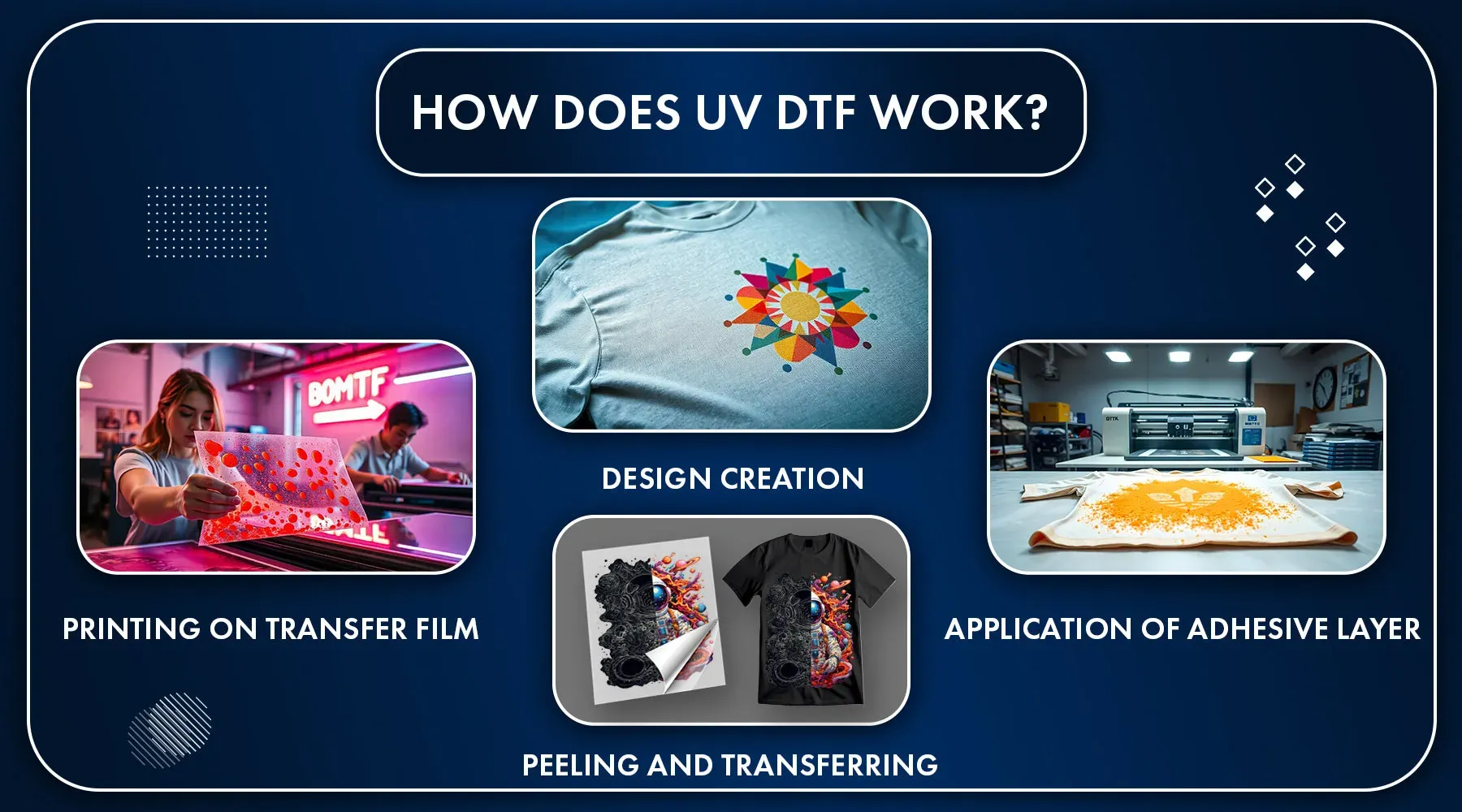
UV DTF transfer has become a standout method for garment decoration, merging digital print capability with reliable heat transfer. This approach delivers vibrant colors on a wide range of fabrics and even some hard surfaces, thanks to UV DTF ink that cures instantly. As DTF printing 2026 unfolds, the field has broadened with improved DTF transfer film compatibility and a growing selection of DTF printing tools, making it accessible for home studios and small businesses. This guide explores the core components—UV DTF ink, DTF transfer film, and the right tools—to optimize workflow and color fidelity. Whether you’re new to the process or upgrading an existing setup, following a structured UV DTF guide can boost consistency and durability across projects.
In alternative terms, this workflow can be described as UV-curable ink printed onto a transfer film, then heat-pressed onto a substrate for durable wear. Framing the topic this way aligns with LSI principles by connecting to related concepts such as digital textile printing, transfer media, and UV printing on fabrics. Other semantically related terms include edge sharpness, color fidelity, and wash-fastness on diverse surfaces, all of which the transfer media and inks strive to deliver. Using synonyms like ‘print-on-film,’ ‘photo transfer media,’ or ‘curable ink on film’ helps attract both search engines and readers seeking practical guidance for 2026 trends.
Understanding UV DTF Ink: Color, Durability, and Curing for 2026
UV DTF ink forms the core of the modern transfer workflow, delivering rapid curing under ultraviolet light and a broad color gamut that supports detailed gradients and crisp edges. In 2026, formulations have been refined for quicker open times, improved drying speeds, and better compatibility with diverse transfer films. When selecting UV DTF ink, prioritize wash-fastness on target fabrics, color stability across heat cycles, and minimal ink bleed during handling to maintain print fidelity throughout wear.
A well-chosen UV DTF ink set also supports reliable post-press performance, retaining stretch and resilience on both natural fibers and blends. With instant curing, you can reduce the risk of smudging between layers, which helps preserve fine details in multi-color designs. In practice, matching ink properties to your substrate and transfer film is essential for achieving durable, vibrant results that stand up to washing and daily use.
DTF Transfer Film: Release, Opacity, and Edge Sharpness in Modern UV DTF
The transfer film acts as the carrier that moves the printed image from the UV printer to the garment or item. In 2026, films have advanced release properties to minimize ghosting and improve edge fidelity, even with complex halftones and fine text. When evaluating a DTF transfer film, assess its release quality, thickness, and how it interacts with white underbases or color-rich designs to maintain image clarity.
Edge sharpness and color saturation are also influenced by film compatibility with fabric substrates and printing inks. A high-quality film helps preserve detail during the heat-press stage and supports accurate alignment, which reduces misregistration. In practice, choosing a film with predictable release and minimal curl can significantly improve production efficiency and final appearance on cotton, blends, and even some hard surfaces.
DTF Printing Tools for 2026: Building a Reliable UV DTF Workflow
A dependable UV DTF workflow starts with the right tools: a printer capable of handling UV DTF ink, a heat press with even temperature control, and precise alignment aids. Investing in quality DTF printing tools minimizes variables that lead to misregistration and color shifts, helping you reproduce designs consistently across runs. The 2026 landscape favors modular setups that let you switch between light, medium, and heavy fabrics without retooling the entire process.
Beyond printing and pressing hardware, consider measurement and prep tools such as infrared thermometers, rulers for placement, lint-free wipes for surface cleaning, and squeegees or rollers that ensure even ink transfer. Keeping a clean, calibrated work area—along with reliable inks and films—reduces waste and improves color matching, edge definition, and overall print durability.
UV DTF Guide to Substrates: Textiles and Beyond
UV DTF transfers work best on fabrics designed to accept and hold ink, including natural cottons and poly blends that maintain flexibility after pressing. A proper substrate test is essential before committing to a large run, especially when switching between textiles and hard surfaces. In 2026, designers increasingly explore cotton-rich materials for vibrant color retention, while blends provide durability during wear and washing.
Hard surfaces like plaques, notebooks, and certain plastics can also be considered with the right prep and film compatibility. For non-textile substrates, ensure surface prep is thorough and consult substrate-specific heat resistance guidelines. The UV DTF guide emphasizes testing and documenting results to build a reliable library of successful substrates across projects.
Practical UV DTF Transfer: From Design to Finished Garment
In practice, the transfer process begins with a high-resolution design prepared at 300 DPI or higher, accounting for the transfer film’s color influence and any white underbase needs. This stage aligns with general principles of DTF printing tools and UV DTF ink behavior to ensure accuracy and vibrancy on the final substrate. Precise layout, bleed considerations, and pre-press cleaning set the stage for a successful transfer.
The finish sequence includes curing the printed sheet, aligning it on the substrate, applying heat and pressure under manufacturer-recommended parameters, and a controlled cooldown before peeling. Post-press finishing, such as additional sealing or washing tests, helps confirm durability. By following a structured UV DTF transfer workflow, designers can produce professional results across apparel and a range of compatible surfaces.
Troubleshooting and Sustainability in UV DTF Printing
Common issues like color shifts, ghosting, or misregistration often stem from calibration gaps among the UV DTF ink, transfer film, and heat-press settings. Solution-oriented steps include printer color profiling, verifying film alignment, and evenly distributing pressure during pressing. Maintaining a log of ink, film, and heat settings supports faster troubleshooting for future batches.
Sustainability trends in 2026 emphasize eco-friendlier UV DTF inks, recycled or compostable films, and clearer safety certifications. When choosing materials, look for documentation that confirms compliance with environmental standards and product safety. Integrating green practices with robust performance helps designers and shops reduce impact while sustaining color accuracy and adhesion across runs.
Frequently Asked Questions
What is UV DTF transfer, and how does UV DTF ink influence the result?
UV DTF transfer is a workflow that prints with UV-curable ink onto a transfer film, then heat-presses it onto a substrate. UV DTF ink cures instantly under UV light, delivering a broad color gamut, sharp details, and strong wash durability. The ink’s fast cure minimizes smudging and improves edge definition when paired with the right film and heat press settings.
What should I consider when selecting UV DTF ink for DTF printing 2026?
Choose UV DTF ink with strong color gamut, good wash-fastness on target fabrics, and fast open time. Check compatibility with your transfer film, substrate, and heat-press settings to reduce color shifts and misregistration. Consider durability and drying speed to support production efficiency.
How does DTF transfer film influence edge sharpness and color in UV DTF transfer?
DTF transfer film carries the print and its release properties determine edge sharpness and color fidelity. Look for film with reliable release, appropriate thickness for opacity, and compatibility with your fabric. A high-quality film minimizes ghosting and preserves fine details.
Which DTF printing tools are essential for a reliable UV DTF transfer workflow?
Key tools include a printer capable of UV DTF inks (or a compatible workflow), a heat press with even temperature and pressure, a squeegee or roller for film alignment, a thermometer for platen temperature, lint-free towels and alcohol for surface prep, and rulers or scales for precise alignment.
What does a UV DTF guide recommend for troubleshooting color shifts, ghosting, or misregistration in UV DTF transfer?
Follow these steps: calibrate the printer and verify color profiles; test with sample fabrics; confirm film alignment with guides and use a jig for consistent placement; verify curing times and temperatures; ensure even heat press pressure and clean transfer surfaces. Keep notes for process optimization in future runs.
What substrates are recommended for UV DTF transfer and how should you prep surfaces for best results?
Best substrates include cotton and cotton blends, polyester blends, and some synthetics that tolerate heat. Hard surfaces like plaques or plastics can work with proper prep. Always test a sample first. Prep steps: clean surface, remove oils, and apply any substrate pre-treatment if required; ensure a smooth, lint-free surface to minimize misregistration.
| Aspect | Key Points |
|---|---|
| What UV DTF transfer is | Definition: UV-curable inks printed onto a specialized transfer film, then heat-pressed onto a substrate; advantages include vivid color range, detailed gradients, and robust adhesion after curing; selective curing can reduce carrier times and improve print stability on difficult materials. |
| 2026 ecosystem | In 2026, the UV DTF ecosystem expanded with a spectrum of inks, transfer films, and toolsets; improvements include smoother release, better image quality, easier stripping, and broader substrate compatibility. |
| Core components | UV DTF ink, transfer film, and tools; compatibility among components is crucial to avoid misregistration. |
| Workflow advantages | Compared to traditional DTF, UV DTF uses UV-curable inks and selective curing, reducing wait times and improving stability on challenging materials. |
| Choosing components | Consider ink, film, heat press compatibility, substrate compatibility, and test samples to ensure alignment and adhesion. |
| UV DTF Ink role | Instant cure under UV light; broad color gamut; durability; open time; compatibility with transfer film and heat press. |
| DTF Transfer Film role | Release quality, film thickness, opacity, surface compatibility, and edge sharpness with color fidelity. |
| DTF Printing Tools | Printer, heat press, squeegee/roller, thermometer, lint-free towels/alcohol, scales; modular setups in 2026. |
| Substrates & Surfaces | Textiles and hard surfaces; test samples; natural fibers, poly blends; smooth finish; prep surfaces. |
| Design Prep | High resolution (≥300 DPI); account for underbase; plan bleed/padding; test print. |
| 2026 Workflow Steps | Eight steps: design export; substrate prep; print on film; cure; align; heat press; cool and peel; post-press finish. |
| Common Challenges | Color shifts; misregistration; adhesion issues; cracking/peeling; use calibration and troubleshooting. |
| Sustainability & Performance | Eco-friendly inks/films; VOC reductions; certifications; choose materials with safety and environmental documentation. |
| Maintaining the System | Regular maintenance; clean heads; inspect squeegees; store materials properly; periodic heat press calibration. |
| Quick Buyer’s Guide | High-quality heat press; printer for UV-curable inks; reliable transfer film; measurement tools; cleaning supplies. |
| Real-World Tips | Test small runs; maintain stable room conditions; keep a design log; plan post-press finishing. |
Summary
UV DTF transfer has emerged as a versatile method for achieving vibrant, durable prints across a wide range of fabrics and surfaces. By coordinating UV DTF ink, transfer film, and dependable tools, designers can achieve sharp edges, smooth gradients, and strong adhesion even on challenging substrates. The 2026 workflow emphasizes compatibility among inks, films, and heat presses, along with careful design preparation and testing to minimize misregistration. Sustainability considerations are increasingly integrated, with eco-friendly inks and recycled films helping reduce environmental impact without sacrificing quality. For hobbyists and small businesses alike, mastering UV DTF transfer provides a scalable path to professional results and reliable production.