

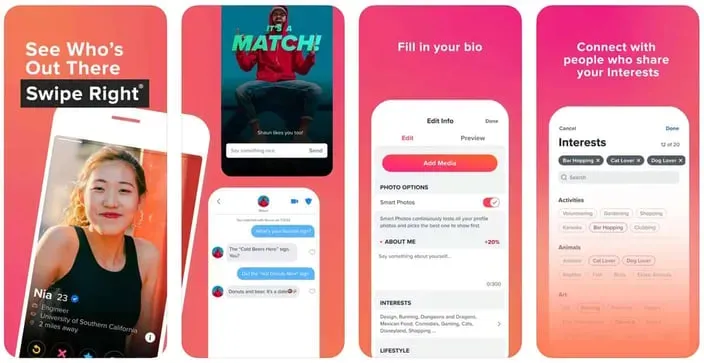
DTF in dating apps is a phrase you’ll encounter in conversations that veer quickly toward sexual openness. Understanding the DTF meaning in dating apps can help readers interpret intent and avoid misread signals. Boundaries matter, and dating apps boundaries set the pace for how such topics are introduced. Consent in dating apps is ongoing and explicit, so both people can adjust as comfort levels evolve, including guidance on how to respond respectfully online. This guide will unpack the meaning behind DTF in dating apps, offer practical strategies for polite replies, and emphasize online dating safety.
Beyond the specific slang, the topic reframes as direct dialogue about sexual interest within dating apps. People may signal openness to casual connections, while others prioritize emotional compatibility or more intentional pacing. Using terms like direct sexual invitation, casual dating signals, or upfront conversation about goals helps keep things transparent. An LSI-friendly approach ties these ideas to consent, boundaries, and respectful communication, ensuring both parties feel safe navigating online spaces. By recognizing common patterns and language around dating etiquette, you can approach conversations with clarity and reduce misinterpretations while still protecting safety.
DTF meaning in dating apps: understanding context, consent, and communication
DTF meaning in dating apps can vary widely. In some conversations it signals direct sexual interest, while in other contexts it might feel provocative or presumptive. The interpretation often depends on who is sending the message, their tone, and how well you know each other.
Because online messages lack nonverbal cues, misinterpretation happens easily. Even when someone uses DTF, it does not replace consent or mutual interest. Recognizing this distinction helps you establish a safe, respectful baseline for all further dialogue and decisions.
To navigate these situations thoughtfully, learn to clarify intentions and pace before moving toward any physical topics. Knowing how to respond respectfully online is a valuable skill that reduces pressure and builds trust from the start.
Boundaries on dating apps: practical steps to articulate and respect boundaries
Boundaries on dating apps define what you are willing to do and what you won’t do, and they guide how you show up in conversation. They can relate to physical intimacy, the speed of progression, privacy, and the topics you’re comfortable discussing.
Articulate boundaries with explicit language. For example, say, “I’d like to take things slowly,” or “I’m not comfortable discussing X yet.” Clear statements make expectations visible and reduce ambiguity for both people.
Respecting others’ boundaries is a two-way street. When someone shares theirs, acknowledge them, reflect the request back, and adjust your approach accordingly to keep the exchange safe and respectful.
Consent in dating apps: creating a culture of ongoing, enthusiastic agreement
Consent in dating apps means that both people agree to each step, at a pace they choose, and that they can change their minds at any moment. It is not a one-time checkbox and it cannot be assumed from a single message or a label.
Enthusiastic consent is explicit, affirmative, and ongoing. It should feel like a collaborative decision rather than a test you must pass. The presence of interest does not automatically imply consent to any activity.
Keep consent alive through open dialogue and regular check-ins as the conversation evolves. Phrases such as “Are you comfortable with this?” or “Would you like to continue at this pace?” help maintain mutual agreement.
How to respond respectfully online when DTF appears: strategies and language
When DTF comes up, respond with empathy and clarity rather than judgment. A respectful tone helps both people feel heard and reduces the risk of miscommunication.
Ask clarifying questions to understand pace, boundaries, and comfort levels. Using open-ended prompts like “What pace feels right for you?” invites collaboration rather than pressure.
Offer constructive, consent-based language that keeps the conversation on equal footing. For example, you can say, “I’m glad you’re honest. I’d like to talk about boundaries first,” or “If we’re on the same page, we can continue, but I want to make sure we both feel safe.”
Online dating safety: practical tips, red flags, and best practices
Online dating safety should be a constant consideration. Protect personal information, verify identities when needed, and arrange to meet in public spaces for first encounters. These steps help you stay safe without compromising openness.
Pace conversations and be alert for red flags, such as pressure to skip conversations, secrecy about details, or requests for sensitive information. If something feels off, trust your instincts and slow down or disengage.
Plan safety-focused first dates and share your plans with a trusted friend. Clear communication about whereabouts, timing, and transportation adds an essential layer of security while keeping respect at the forefront.
Building a respectful dating-app culture: practical steps for long-term healthier conversations
A respectful dating-app culture starts with personal accountability. Lead by example through transparent boundary-setting, consent discussions, and constructive feedback when lines are crossed.
Normalize questions about comfort and pace and treat diverse dating goals with curiosity and kindness. Encourage others to speak up, challenge pressure, and hold conversations to higher standards of empathy and safety.
Foster an environment where everyone feels safe to set boundaries, ask for consent, and report behavior that undermines dignity. This collective effort supports healthier, more meaningful connections for all.
Frequently Asked Questions
What does DTF mean in dating apps, and how should I set dating apps boundaries?
DTF meaning in dating apps can signal a desire for casual activity, but it isn’t universal. Treat it as a cue to discuss boundaries and consent rather than an invitation to proceed. To set dating apps boundaries, be explicit about your comfort level, pace, and expectations, and use ongoing consent language such as asking if you’re on the same page about taking things slowly.
How can I express consent in dating apps when DTF is mentioned?
Consent in dating apps must be explicit and ongoing, even when DTF comes up. If DTF is mentioned, respond by clarifying your comfort level and asking about pace and boundaries. For example: ‘I’m interested in getting to know you, but I’d like to talk about boundaries and consent first.’ Ensure mutual enthusiastic consent before any progression.
How to respond respectfully online when DTF is on the table in dating apps conversations?
How to respond respectfully online involves a respectful acknowledgment, clear boundaries, and questions about pace and comfort. If DTF arises, state your goals, set limits, and use consent-affirming language such as ‘Are you open to…?’ or ‘Would you be comfortable with…?’ to keep the dialogue collaborative.
What online dating safety tips apply when DTF is discussed on dating apps?
Online dating safety remains essential when DTF is discussed. Verify identity when needed, keep early conversations in public or safe settings, avoid sharing sensitive information, and pace conversations to your comfort. If anything feels rushed or unsafe, trust your instincts and disengage.
How can I set and communicate dating-app boundaries when DTF appears in a chat?
When DTF appears, set boundaries by clearly stating your pace and consent expectations. Use direct language, check in with the other person, and respect their boundaries too. Boundaries are mutual; ongoing communication helps ensure both people feel safe and respected.
What red flags should I watch for in DTF discussions and how should I respond to protect consent in dating apps?
Red flags include pressure to move quickly, ignoring boundaries, or coercive language. If you notice these cues, slow down or end the conversation, and prioritize consent in dating apps. Consider reporting or blocking if behavior feels unsafe or disrespectful.
| Aspect | Key Points |
|---|---|
| Meaning of DTF in dating apps | DTF is slang signaling a desire for sexual activity and can indicate casual goals, but it isn’t universal. Context and boundaries matter, and consent remains essential. |
| Boundaries | Boundaries define what you are comfortable with (topics, pace, intimacy). When DTF appears, state your limits clearly and respect others’ boundaries; communication is two-way. |
| Consent | Consent is ongoing, enthusiastic, and explicit. Don’t assume from a single message or label; pause or reassess if there’s pressure or uncertainty. |
| How to respond respectfully online | Be empathetic and clear. Acknowledge the other person, ask clarifying questions, state your goals honestly, and use consent-affirming language. Offer alternatives if needed. |
| Safety and red flags | Protect personal information, verify identity when needed, pace progression, and meet in public places. Trust your instincts and watch for pressure or manipulative behavior. |
| Fostering a respectful dating-app culture | Lead by example with respectful communication, normalize discussions about comfort and pace, provide constructive feedback, and respect diverse dating goals. |
| Related keywords for strategy | DTF meaning in dating apps, dating apps boundaries, consent in dating apps, how to respond respectfully online, online dating safety. |
Summary
DTF in dating apps highlights the importance of clear communication, mutual consent, and respectful boundaries in online dating. By understanding the varied meanings behind the phrase, establishing personal boundaries, and replying with empathy and clarity, you can navigate conversations with confidence. Remember that consent is ongoing and that respectful dialogue is essential for any healthy dating experience, whether you’re seeking casual connections or longer-term relationships. When in doubt, slow down, ask questions, and prioritize safety and respect. Online dating can be a positive, empowering experience when approached with clear boundaries, enthusiastic consent, and a commitment to treating others with dignity.